Insights & Innovation
Exploring the future of autonomous sensing, edge AI, and defense technology

The Future of Multi-Modal Sensor Fusion
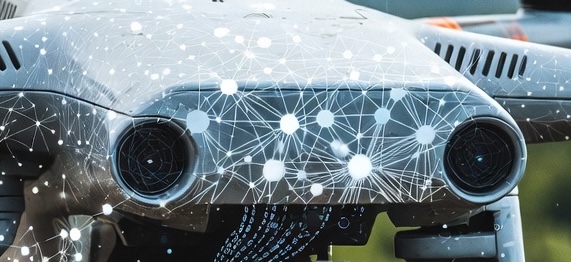
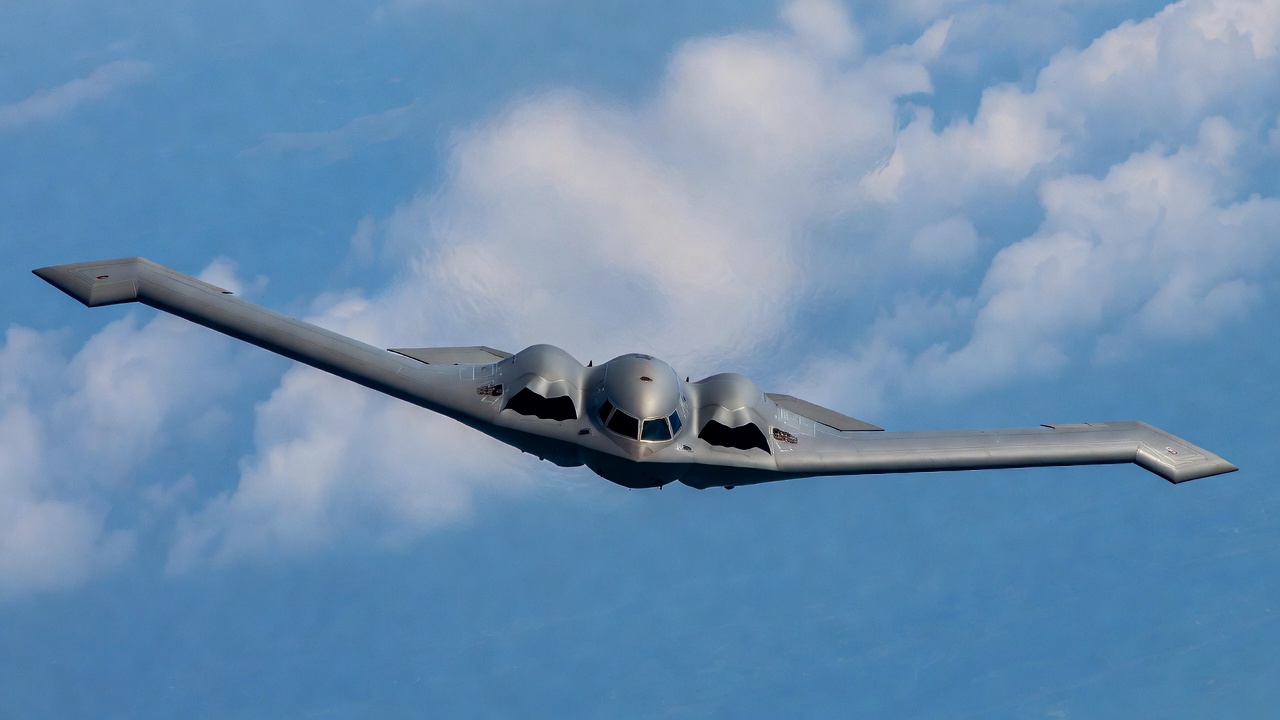
How combining RF, thermal, and visual sensors creates unprecedented situational awareness for autonomous systems operating at the network edge.
Read More →Counter-UAS: Protecting Critical Infrastructure
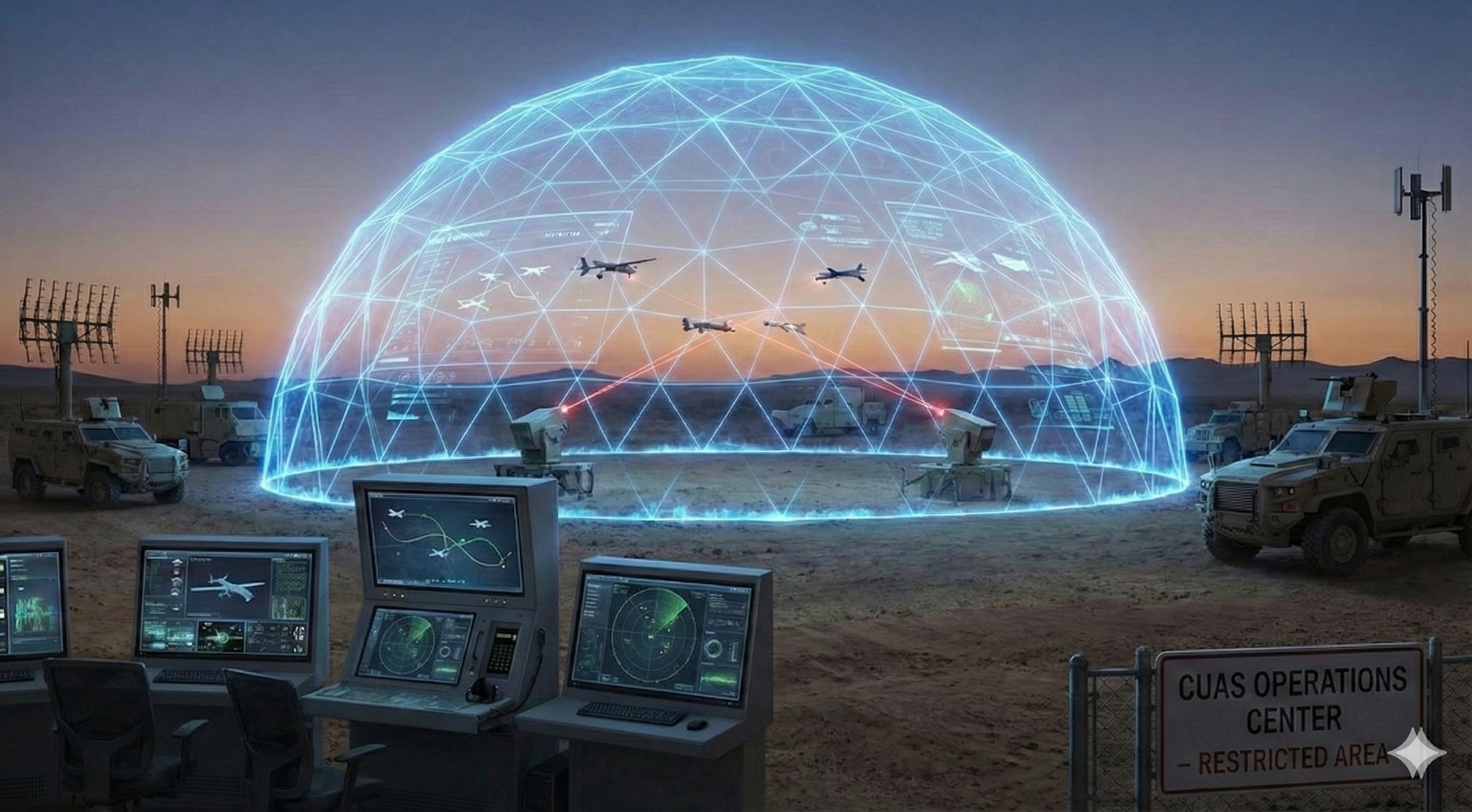
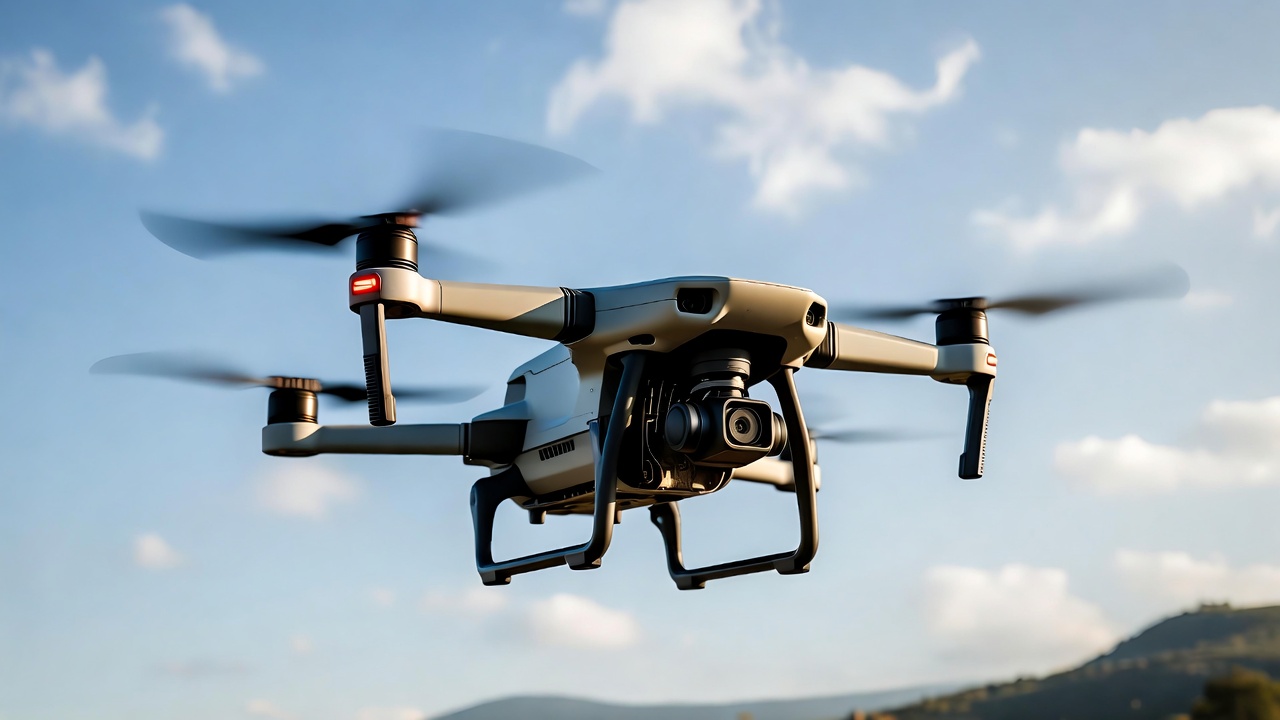
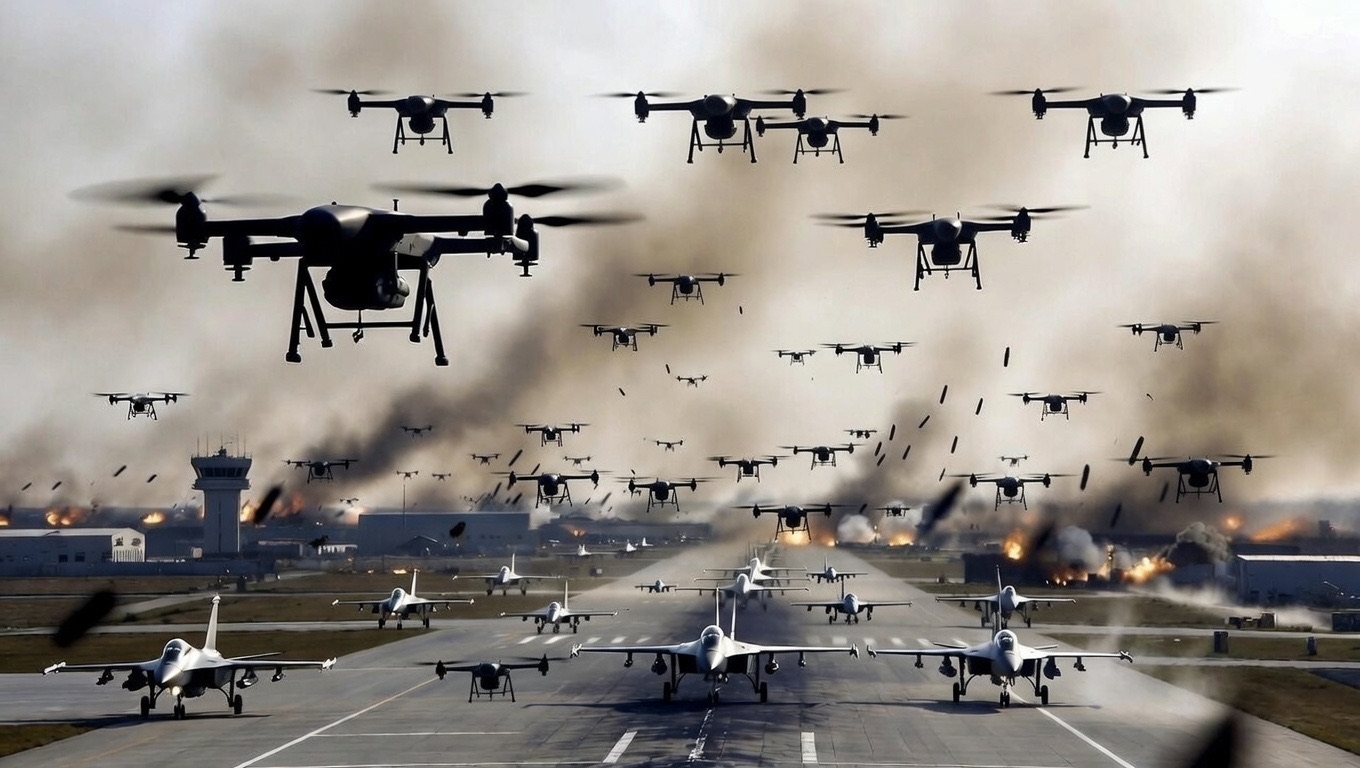
Examining the growing drone threat landscape and why traditional detection methods are falling short in identifying low, slow, and small aerial targets.
Read More →Edge AI: Why Latency Matters in Defense
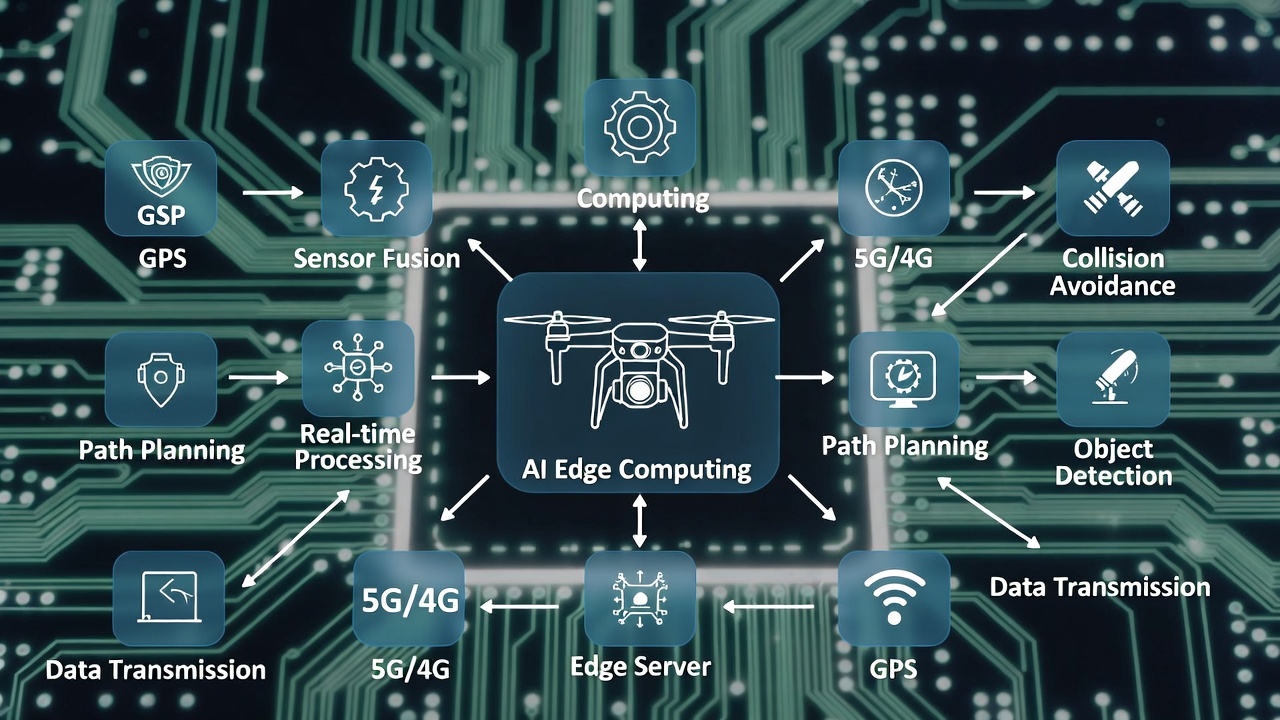
Understanding the critical importance of edge computing for defense applications where milliseconds can mean the difference between success and failure.
Read More →Reinforcement Learning for Adaptive Sensing
How RL algorithms enable our systems to continuously improve detection accuracy and adapt to new threat patterns in real-time.
Read More →FuxionAI 2.0: Enhanced Detection Capabilities
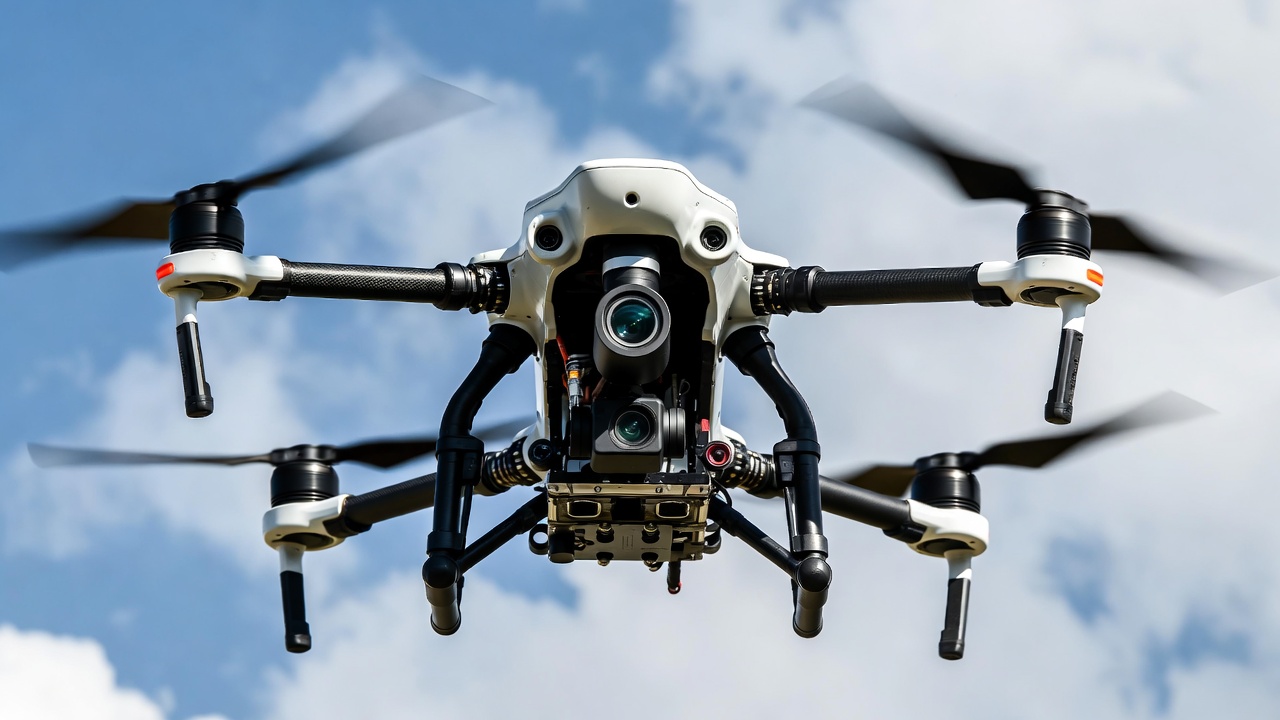
Announcing major improvements to our sensor fusion platform, including expanded RF spectrum coverage and improved thermal imaging integration.
Read More →The Evolution of Autonomous Security Systems
Tracing the development of AI-powered security from simple motion detection to sophisticated multi-modal perception systems.
Read More →The Future of Multi-Modal Sensor Fusion
In the rapidly evolving landscape of autonomous systems and defense technology, the ability to perceive and understand the environment has become increasingly critical. Traditional single-sensor approaches are no longer sufficient to meet the complex demands of modern operations. This is where multi-modal sensor fusion emerges as a game-changing capability.
The Limitations of Single-Sensor Systems
For decades, autonomous systems have relied primarily on individual sensor modalities—cameras for visual detection, radar for ranging, or infrared for thermal imaging. While each of these technologies has proven valuable in specific contexts, they all suffer from inherent limitations when deployed in isolation.
Visual cameras struggle in low-light conditions and adverse weather. Radar systems can be fooled by clutter and have difficulty with small, slow-moving targets. Thermal sensors excel at detecting heat signatures but provide limited contextual information. The reality is that no single sensor can provide complete situational awareness across all operational conditions.
The Power of Multi-Modal Integration
Multi-modal sensor fusion represents a fundamental shift in how we approach environmental perception. By combining data from RF/electromagnetic sensors, thermal imaging, and visual cameras, we create a perception system that is greater than the sum of its parts. Each sensor modality compensates for the weaknesses of the others, while their combined strengths create unprecedented detection capabilities.
Complementary Strengths
Consider the challenge of detecting small drones in a complex urban environment. Visual cameras might spot the drone against a clear sky, but lose track when it passes behind buildings. RF sensors can detect the drone's communication signals and electronic emissions regardless of line of sight. Thermal imaging can identify the heat signature of the drone's motors and electronics, even in conditions where visual detection fails.
When these sensor modalities work together through intelligent fusion algorithms, the system achieves detection reliability that would be impossible with any single sensor.
Reinforcement Learning: The Intelligence Layer
The real breakthrough in modern sensor fusion comes from applying reinforcement learning to the integration process. Rather than relying on fixed rules for combining sensor data, RL algorithms learn optimal fusion strategies through experience. The system continuously adapts to new environments, threat patterns, and operational conditions.
This adaptive capability is crucial for defense applications where adversaries constantly develop new tactics and technologies. A static fusion algorithm might be tuned perfectly for current threats but become obsolete as the threat landscape evolves. RL-based fusion maintains effectiveness by continuously learning and improving.
Edge Computing: Bringing Intelligence to the Field
One of the most significant challenges in multi-modal sensor fusion is the computational demand. Processing and integrating data from multiple high-bandwidth sensors requires substantial computing power. Traditional approaches relied on transmitting raw sensor data to cloud servers for processing, introducing latency that is unacceptable for time-critical defense applications.
Modern edge computing architectures solve this problem by bringing AI inference capabilities directly to the sensor platform. Specialized processors optimized for neural network operations enable real-time sensor fusion at the network edge, with latency measured in milliseconds rather than seconds. This edge-based approach also provides operational independence, eliminating reliance on network connectivity and cloud infrastructure.
Real-World Impact
The practical implications of advanced sensor fusion are profound across multiple domains. In counter-drone operations, the technology has demonstrated the ability to detect and classify small aerial threats that traditional systems miss entirely. For infrastructure protection, multi-modal fusion provides comprehensive situational awareness that significantly reduces false alarms while improving detection of genuine threats.
Perhaps most importantly, the technology enables truly autonomous operations in complex environments. Autonomous vehicles and robots equipped with multi-modal perception can navigate and operate safely in conditions that would overwhelm single-sensor systems. This capability opens new possibilities for autonomous security patrols, infrastructure inspection, and search and rescue operations.
Looking Ahead
The future of sensor fusion lies in expanding the range of modalities beyond the current RF-thermal-visual triad. Acoustic sensors, LIDAR, chemical detectors, and other specialized sensors will be integrated into comprehensive perception systems. The challenge and opportunity lie in developing fusion algorithms that can effectively integrate increasingly diverse sensor types while maintaining real-time performance.
As sensor technologies continue to advance and edge computing capabilities grow more powerful, we can expect multi-modal fusion systems to become increasingly sophisticated and ubiquitous. The systems that once required rack-mounted servers will fit into compact edge devices, bringing advanced perception capabilities to platforms ranging from handheld devices to small drones.
The convergence of multiple sensor modalities, artificial intelligence, and edge computing represents a fundamental advance in autonomous systems technology. For organizations operating in challenging environments—whether military forces protecting installations, enterprises securing critical infrastructure, or first responders managing emergencies—multi-modal sensor fusion is no longer a luxury but a necessity.
As we continue to push the boundaries of what's possible with autonomous sensing, one thing remains clear: the future of situational awareness is multi-modal, intelligent, and edge-based. The technology is here today, and it's transforming how we perceive and respond to our environment in real-time.